
Foot Drop 101: Causes, Risks, and How We Can Help You Walk Steady Again

Foot drop is the inability to lift the front part of the foot normally during walking, causing the toes to drag or catch the ground with each step. It isn’t a disease in itself, but a symptom of an underlying nerve, muscle, or neurological problem that affects a person’s ability to lift the foot, a movement called dorsiflexion. It usually affects one foot, though in some cases both feet can be affected depending on the cause.
It's a frustrating and sometimes frightening issue to live with, but it's also one of the most manageable conditions we see at OrthoKai.
Why Does Foot Drop Happen?

Foot drop develops when the signal between the brain, nerves, and the muscles that lift the foot is disrupted somewhere along the way. The most common causes include:
Nerve compression or injury: particularly of the peroneal nerve, which runs along the outside of the knee. This can result from fractures, prolonged squatting or cross-legged sitting, hip or knee surgery, or nerve damage related to diabetes.
Muscle weakness: from conditions such as muscular dystrophy or a history of polio.
Neurological conditions: including stroke, cerebral palsy, and multiple sclerosis, all of which can interfere with how the brain communicates with the muscles that control the foot.
Other causes: such as spinal issues, tumours, or electrolyte imbalances affecting nerve function.
Given how common diabetes, stroke and even accidents are across Malaysia and Singapore, these are three of the causes we frequently see in patients who come through our doors, often people who never expected a foot condition to change the way they walk.
What Does Foot Drop Progress To If Left Unmanaged?

Left untreated, foot drop rarely stays a small inconvenience. To avoid catching their toes, people naturally start compensating, lifting the knee unusually high with each step (sometimes called a "steppage gait") or slapping the foot down flatly instead of landing heel-first. Over time, this changes the entire walking pattern, placing extra strain on the hips, knees, and lower back.
The bigger concern is safety. Toe-dragging and an altered gait significantly increase the risk of trips and falls, which is especially serious for older adults or anyone already suffering from balance issues. In some longer-standing or severe cases, the affected muscles and tendons can also tighten over time, making the foot harder to move into a normal position even with treatment.
Whether foot drop is temporary or permanent depends on its cause. Nerve irritation from something such as prolonged pressure often improves on its own or from treatment of the underlying issue. Foot drop caused by more severe neurological conditions like a stroke or MS, for example, may be longer-lasting, but that doesn't necessarily mean walking ability can't be significantly improved with the right support.
How We Manage Foot Drop
The good news is that foot drop is very manageable, and treatment starts with identifying the cause. Depending on the underlying condition, management may include physiotherapy to strengthen the affected muscles, treatment of the root cause and where nerve or muscle function doesn't fully recover, the use of a supportive brace.

This is where an ankle-foot orthosis (AFO) becomes central to day-to-day management. An AFO is a custom-made brace that supports the ankle and foot, guiding it through a more natural walking pattern. It works by holding the foot in a neutral position during the swing phase of each step, preventing the toes from dragging and helping restore a more stable, heel-first landing.
Not every AFO is built the same way. The right type and fit, depends on how significant the foot drop is. At OrthoKai, we offer both custom and off-the-shelf options depending on the patient's needs. More significant foot drop, or foot drop with spasticity, is often best served by a custom solid AFO, cast and moulded to the patient's own foot and lower leg for maximum stability. For patients who need a quicker, ready-made solution, off-the-shelf options such as the Dynamic AFO provide gentle, flexible support for milder foot drop, while also providing a lift off, assisting in walking. While off-the-shelf Ground Reaction AFO (GRAFO) are also available for cases involving knee instability alongside foot drop.
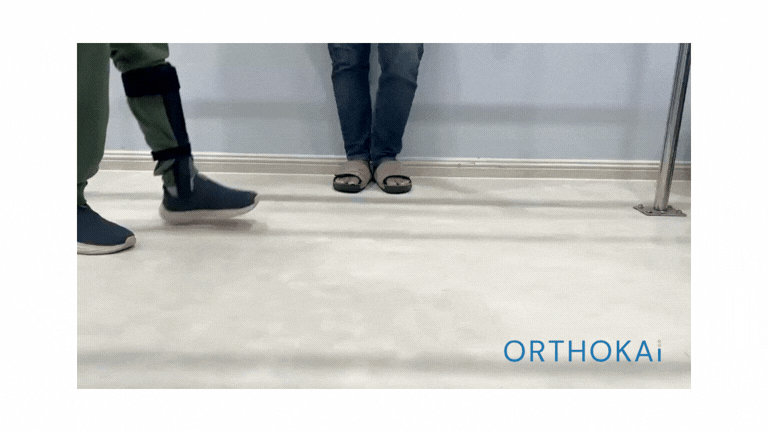
For someone with foot drop, a well-fitted AFO, custom or off-the-shelf, whichever suits their gait, can mean the difference between a hesitant, high-risk shuffle and a walking pattern that feels close to normal again, improving stability, reducing fall risk, and rebuilding confidence with every step.
How OrthoKai Can Help

At OrthoKai, foot drop management always starts with a proper assessment, not a one-size-fits-all brace. Our team review your gait, muscle strength, and underlying condition before recommending an approach, then design a custom AFO tailored to your specific needs, whether your foot drop stems from a stroke, diabetic neuropathy, a nerve injury, or another cause.
We also see you through the full journey, fitting, adjustment, and long-term follow-up, because how a brace performs in the clinic and how it performs on your actual daily walk in Singapore, Kuala Lumpur, or Johor Bahru aren't always the same thing. Our goal is a device you barely have to think about, because it simply does its job.
Frequently Asked Questions
Can foot drop be reversed?
It depends on the cause. Foot drop from temporary nerve irritation often improves with time and treatment. Foot drop linked to conditions like stroke or long-term nerve damage may be more permanent, but an AFO can still restore a safe, functional walking pattern.
Do I need surgery for foot drop?
Not usually as a first step. Most people manage foot drop successfully with bracing and physiotherapy. Surgery, such as nerve decompression or tendon transfer, is generally reserved for cases that don't respond to conservative treatment.
If foot drop is affecting the way you walk, our team is happy to guide you through your options.


